

Using AI for Your Divorce Without Wrecking Your Case
Everyone is using AI now.
And I understand why.
It is free.
Instant.
Available at 2am.
And when you are going through divorce, that matters.
Because fear does not wait until office hours.
You may be lying awake wondering:
Will I lose the house?
What happens to the children?

Can't stop fighting?
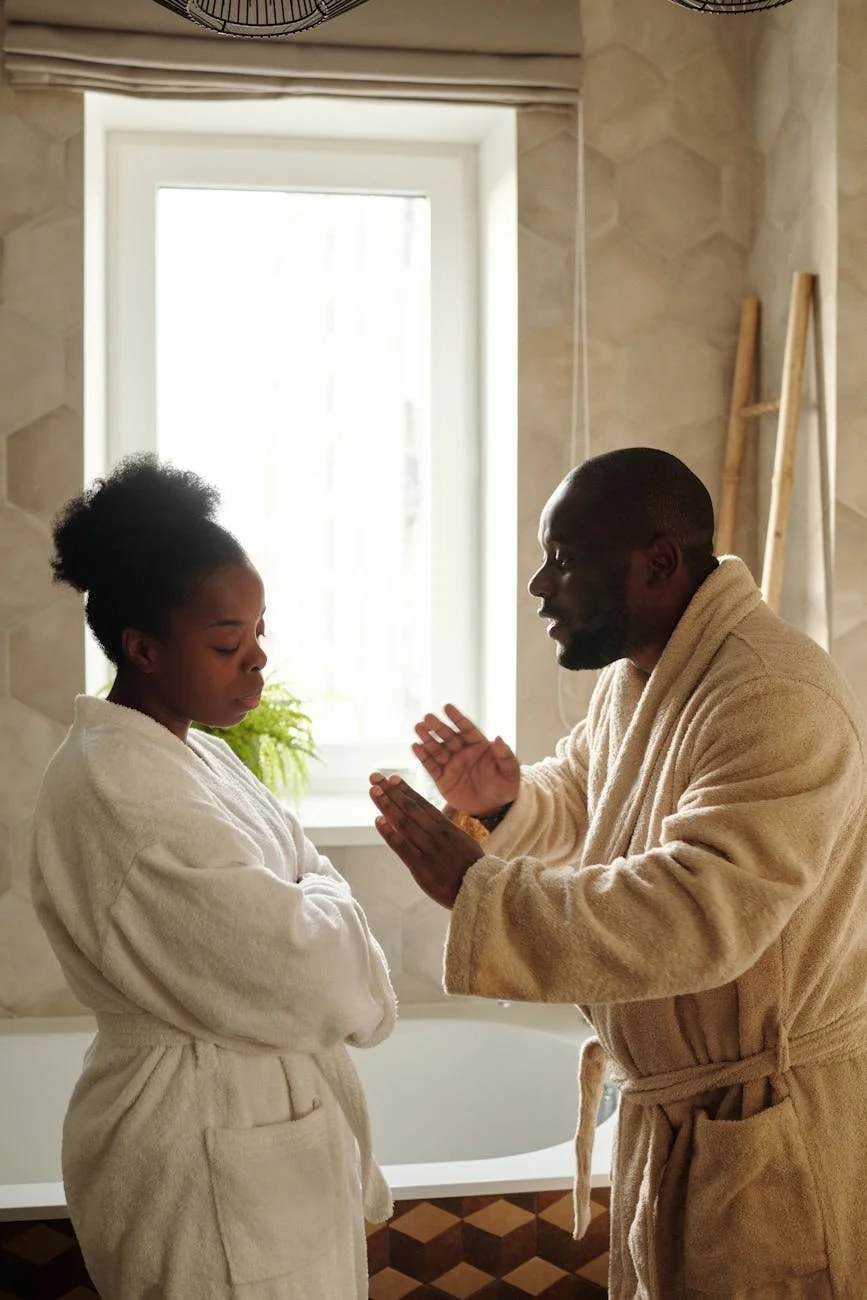
f you can’t stop fighting, you need to stop pretending this is normal.
Every couple argues.
But constant fighting is different.
That is not communication.
That is two people living in a war zone.
And if there are children in the house, they are living in it too.
So the first question is not:
“Should I get divorced?”
The first question is:
“Is this relationship still capable of repair?”
Because divorce is not the only option.
But doing nothing is also a decision.
And often, it is the worst one.

Going Solo?
There comes a point in some marriages where the question is no longer can this be fixed but can I stay and still be myself.
For many people, choosing divorce is not dramatic. It is quiet. It comes after years of trying, compromising, explaining, waiting. By the time the decision is made, the emotional work has often already been done.
Going solo is not about failure. It is about recognising that the partnership has ended, even if the paperwork has not yet caught up.
The moment of clarity
Most people do not wake up one day and decide to divorce. The decision forms slowly.
It often starts with loneliness inside the relationship. A sense that you are carrying everything. That your needs are inconvenient. That your voice is tolerated rather than heard.
Sometimes there is conflict. Sometimes there is indifference, which can be worse.
The moment of clarity usually comes when you realise that staying costs more than leaving. Not financially, but emotionally and psychologically.
That is the point where going solo becomes an act of self-preservation.
The fear of doing it alone
One of the biggest barriers to divorce is fear.

When flowers are not enough...
Post written by a retired family law solicitor advocate.
There is a familiar pattern in many unhealthy relationships.
An incident.
An apology.
A gesture.
Then a return to normal, until the next incident.
Flowers often arrive at the apology stage.
They are presented as evidence of remorse,
change,
insight.
A physical symbol meant to close the chapter and move things on.
For some people, they work.
Or rather, they work just enough to keep things going.
But flowers are not enough.
Many clients describe the same cycle.
Hurtful behaviour followed by gifts.
Angry words followed by affection.
Control followed by charm.
Each time, the gift is framed as proof that it will not happen again.
What matters is not the apology.

Going solo?
Post written by a retired family law solicitor advocate
More people are choosing to go it alone in the family court.
Some do it because they cannot afford a solicitor. Some because they have lost trust in the system. Others because they want control, clarity, and a say in how their case is run. Whatever the reason, representing yourself is no longer unusual. It is common. And it is not a sign of weakness.
Going solo is a strategic choice. But it only works if you understand what you are taking on.
Why people go solo
The cost of legal representation is the obvious driver. Full representation in divorce or financial remedy proceedings can easily run into tens of thousands of pounds. For many, that is simply not realistic.
But cost is not the whole story.
Top 10 Reasons Marriages Fail
1. Communication Problems:
Lack of open and honest communication: Couples who struggle to communicate their needs, feelings, and concerns effectively often experience growing resentment and misunderstandings.
Poor conflict resolution skills: Inability to manage disagreements constructively can lead to escalating arguments and emotional distance.
Communication styles: Differences in communication styles (e.g., one partner being more expressive while the other is more reserved) can create barriers to understanding.
2. Infidelity:
Breach of trust: Extramarital affairs can severely damage trust and intimacy within a marriage, often leading to irreparable harm.

When passion turns to hate...
When Passion Turns to Hate
Most relationships do not end because people stop caring. They end because something that once felt intense and close becomes painful, resentful and, in some cases, hostile. Passion and hate sit closer together than many people realise. Both are driven by strong emotion, unmet expectations and emotional dependency.
In divorce work, this pattern is common. Couples who once described each other as soulmates now cannot be in the same room without conflict. Understanding how that shift happens helps people recognise when a marriage is no longer healthy.
The early intensity
Passion often comes with idealisation. At the start of a relationship, people focus on connection, attraction and shared hopes. Differences are minimised. Red flags are overlooked. Compromise feels easy because the emotional reward is high.

Is it right or wrong to get divorced?
Divorce is not inherently “right” or “wrong”. It is a legal and personal decision, shaped by individual circumstances, relationships, finances and family life. Yet many people struggle with guilt or doubt because divorce is still framed as a moral issue rather than a practical one.
In reality, divorce sits in a grey area. It can carry serious consequences, but it can also be the least damaging option when a marriage is no longer workable.
The emotional reality of divorce
Divorce is often emotionally difficult. Even when separation is mutual, it involves loss, change and uncertainty.
For children, divorce can be particularly challenging. Many experience anxiety, sadness or behavioural changes, especially where parents are in conflict. Children tend to struggle most not with the separation itself, but with ongoing arguments, instability or being caught between parents.

Considering Separation?
This can be soo scary even to think about.
Maybe you put on a brave face...
Even with yourself.
So much denial.
You pretend to your friends you are okay.
Pretend to your family everything is fine.
Maybe even pretend to your partner things are good.
But...
Secretly...
Fed up?
Bored?
Lonely in your relationship?
Dislike your spouse?
Can't stand your partner?
Repulsed by their presence?
Annoyed by their every word?
Bored by their jokes?
Annoyed by their faults?
Hate their habits?
Fed up of their family?
Really tired of looking at them?
Feeling sad?

Considering Separation?
This can be soo scary even to think about.
Maybe you put on a brave face...
Even with yourself.
So much denial.
You pretend to your friends you are okay.
Pretend to your family everything is fine.
Maybe even pretend to your partner things are good.
But...
Secretly...
Fed up?
Bored?
Lonely in your relationship?
Dislike your spouse?
Can't stand your partner?
Repulsed by their presence?
Annoyed by their every word?
Bored by their jokes?
Annoyed by their faults?
Hate their habits?
Fed up of their family?
Really tired of looking at them?
Feeling sad?
Lonely?
Depressed?
Need to do something?