
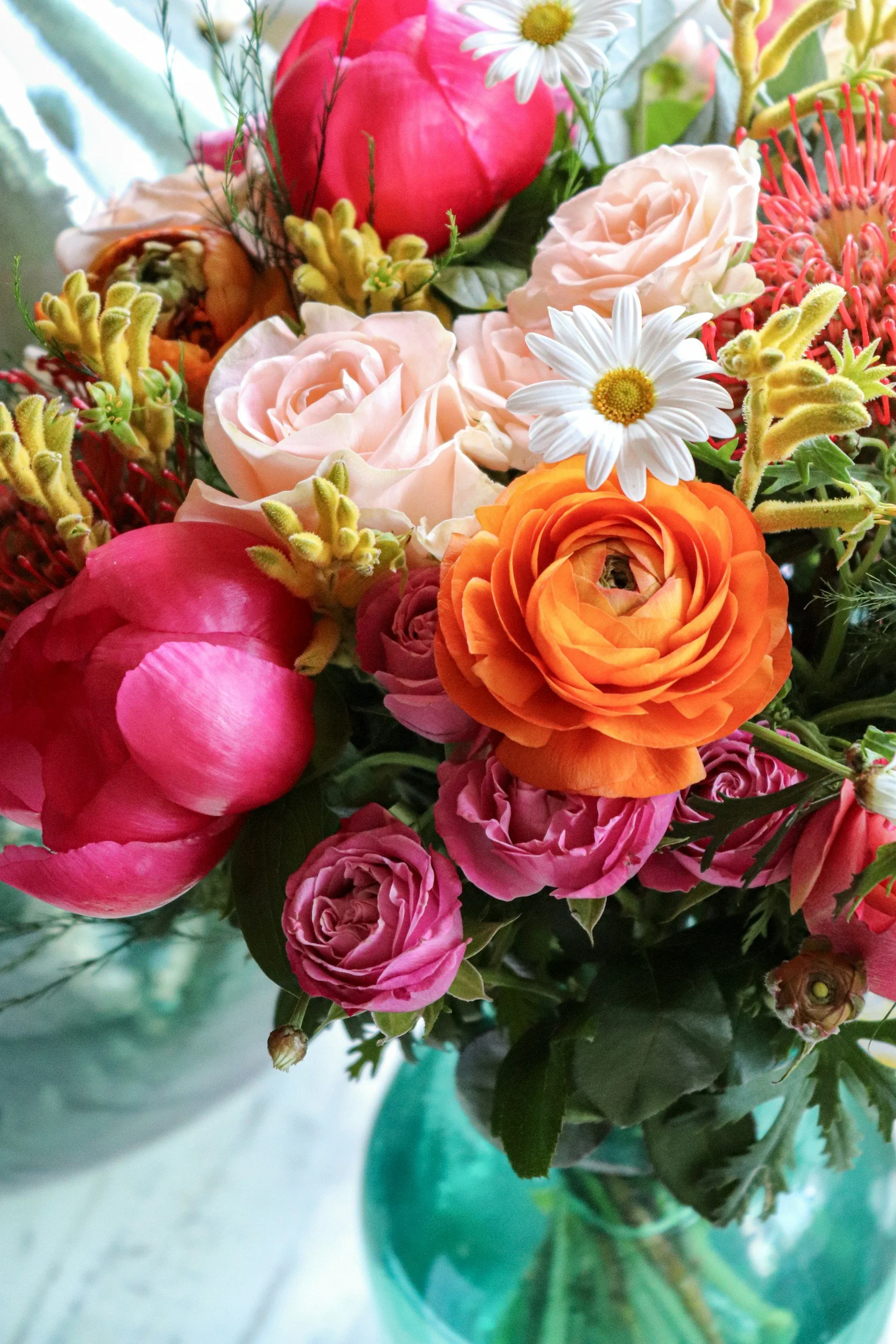
When flowers are not enough...
Post written by a retired family law solicitor advocate.
There is a familiar pattern in many unhealthy relationships.
An incident.
An apology.
A gesture.
Then a return to normal, until the next incident.
Flowers often arrive at the apology stage.
They are presented as evidence of remorse,
change,
insight.
A physical symbol meant to close the chapter and move things on.
For some people, they work.
Or rather, they work just enough to keep things going.
But flowers are not enough.
Many clients describe the same cycle.
Hurtful behaviour followed by gifts.
Angry words followed by affection.
Control followed by charm.
Each time, the gift is framed as proof that it will not happen again.
What matters is not the apology.

When passion turns to hate...
When Passion Turns to Hate
Most relationships do not end because people stop caring. They end because something that once felt intense and close becomes painful, resentful and, in some cases, hostile. Passion and hate sit closer together than many people realise. Both are driven by strong emotion, unmet expectations and emotional dependency.
In divorce work, this pattern is common. Couples who once described each other as soulmates now cannot be in the same room without conflict. Understanding how that shift happens helps people recognise when a marriage is no longer healthy.
The early intensity
Passion often comes with idealisation. At the start of a relationship, people focus on connection, attraction and shared hopes. Differences are minimised. Red flags are overlooked. Compromise feels easy because the emotional reward is high.
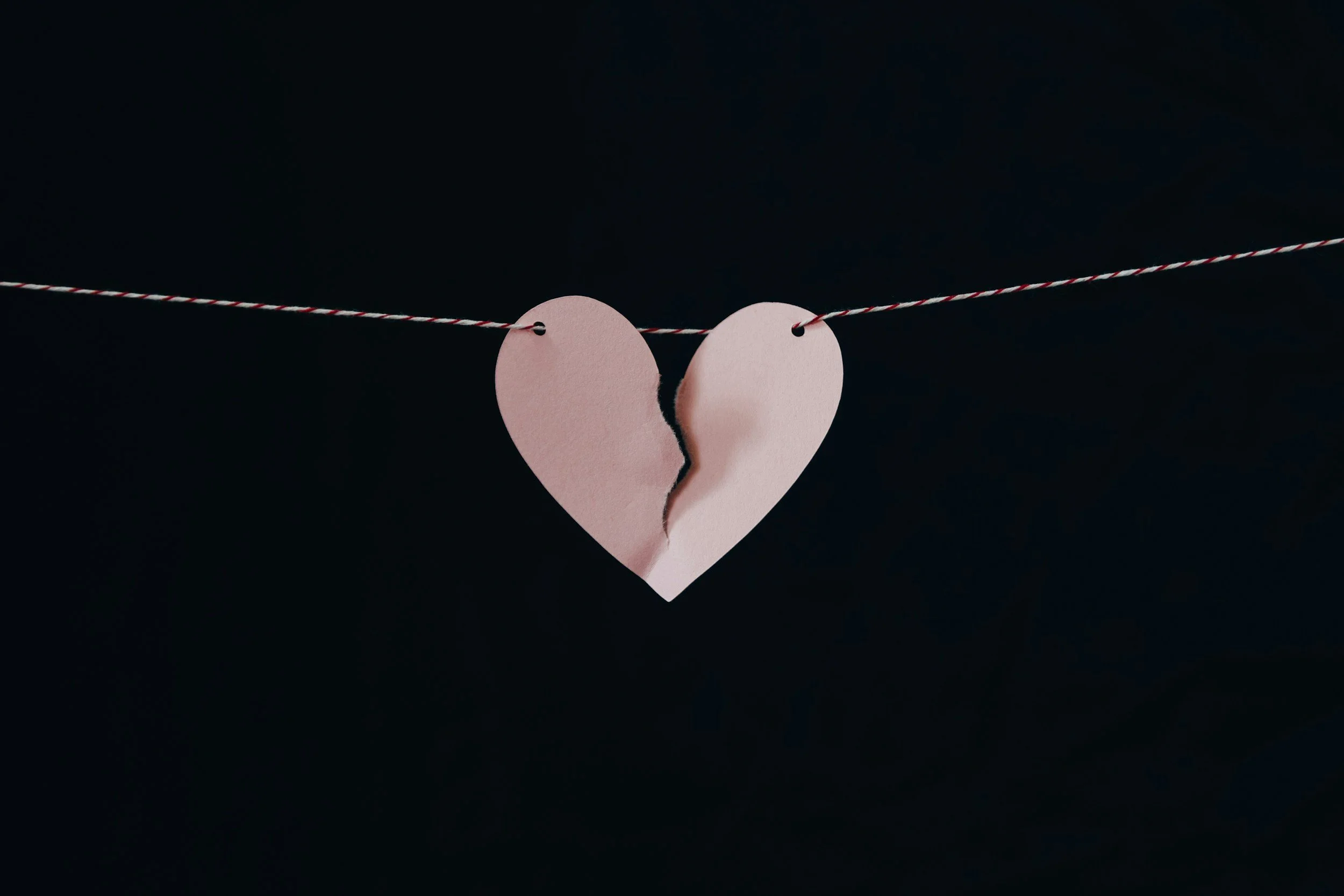
Is it right or wrong to get divorced?
Divorce is not inherently “right” or “wrong”. It is a legal and personal decision, shaped by individual circumstances, relationships, finances and family life. Yet many people struggle with guilt or doubt because divorce is still framed as a moral issue rather than a practical one.
In reality, divorce sits in a grey area. It can carry serious consequences, but it can also be the least damaging option when a marriage is no longer workable.
The emotional reality of divorce
Divorce is often emotionally difficult. Even when separation is mutual, it involves loss, change and uncertainty.
For children, divorce can be particularly challenging. Many experience anxiety, sadness or behavioural changes, especially where parents are in conflict. Children tend to struggle most not with the separation itself, but with ongoing arguments, instability or being caught between parents.

If you can't be with the one you love...
We all know the line. If you can't be with the one you love, love the one you're with. It's supposed to be optimistic. Accepting. Wise.
But what if it’s nonsense?
Lots of people I speak to in divorce are still quietly grieving the one they really loved.
Not the person they married.
Often not even the person they lived with.
But someone else.
A past relationship they never got over.
A path not taken.
A version of themselves that no longer exists.
They tell themselves they moved on.
They settled down.