
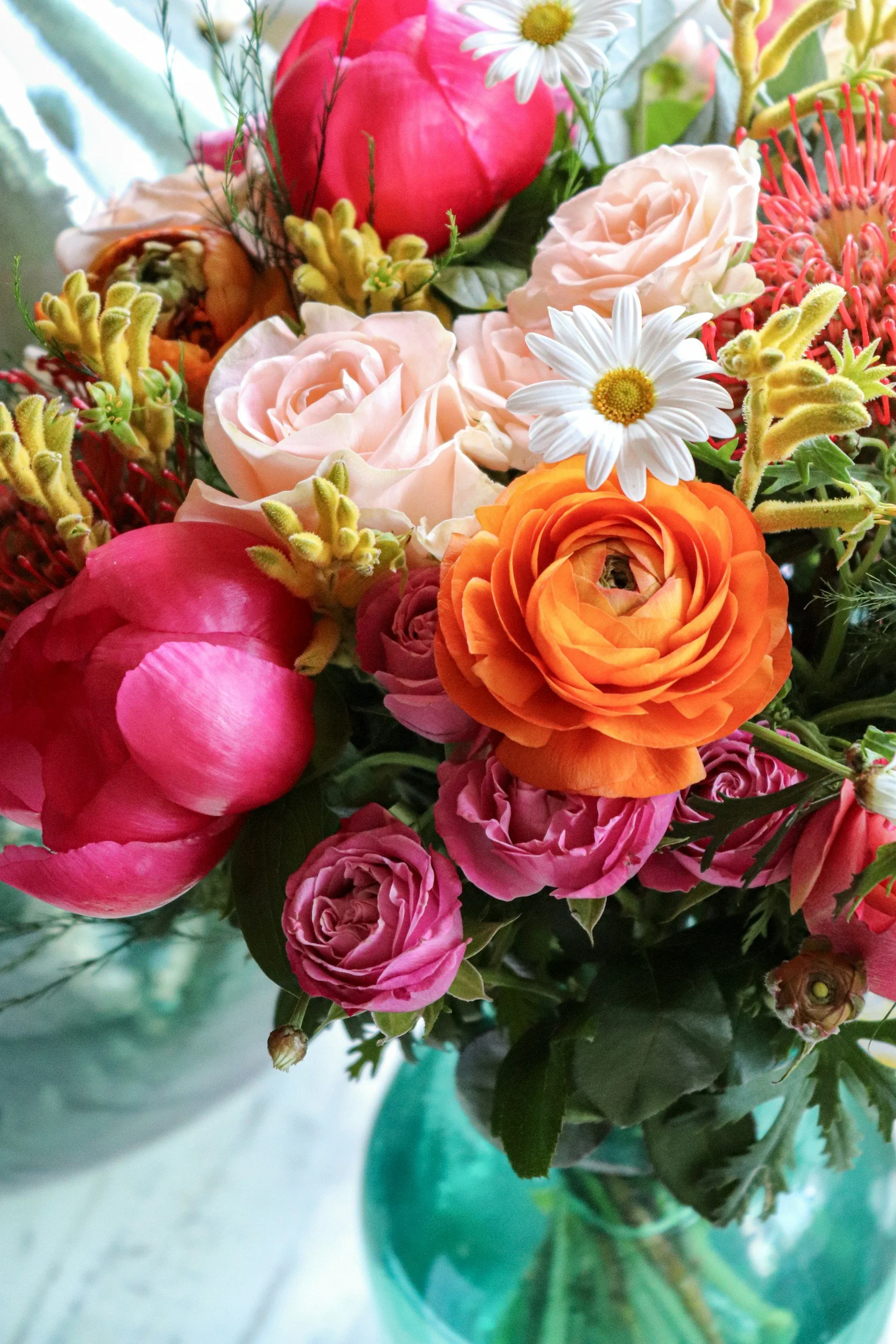
When flowers are not enough...
Post written by a retired family law solicitor advocate.
There is a familiar pattern in many unhealthy relationships.
An incident.
An apology.
A gesture.
Then a return to normal, until the next incident.
Flowers often arrive at the apology stage.
They are presented as evidence of remorse,
change,
insight.
A physical symbol meant to close the chapter and move things on.
For some people, they work.
Or rather, they work just enough to keep things going.
But flowers are not enough.
Many clients describe the same cycle.
Hurtful behaviour followed by gifts.
Angry words followed by affection.
Control followed by charm.
Each time, the gift is framed as proof that it will not happen again.
What matters is not the apology.

When passion turns to hate...
When Passion Turns to Hate
Most relationships do not end because people stop caring. They end because something that once felt intense and close becomes painful, resentful and, in some cases, hostile. Passion and hate sit closer together than many people realise. Both are driven by strong emotion, unmet expectations and emotional dependency.
In divorce work, this pattern is common. Couples who once described each other as soulmates now cannot be in the same room without conflict. Understanding how that shift happens helps people recognise when a marriage is no longer healthy.
The early intensity
Passion often comes with idealisation. At the start of a relationship, people focus on connection, attraction and shared hopes. Differences are minimised. Red flags are overlooked. Compromise feels easy because the emotional reward is high.

When to get divorced
Deciding whether or not to get a divorce is a deeply personal decision that requires careful consideration. There is no universal answer as to when it is the “right” time, as every relationship and situation is unique. However, here are some factors to consider:

When to get Divorced
Deciding whether or not to get a divorce is a deeply personal decision that requires careful consideration. There is no universal answer as to when it is the "right" time, as every relationship and situation is unique. However, here are some factors to consider:
Consider the seriousness of the problems
Abuse: If there is any form of abuse (physical, emotional, verbal, or financial), it is crucial to prioritise your safety and well-being. In such cases, seeking help and considering separation or divorce is important.

Will you get divorced?
Deciding whether someone is ready to get divorced is a deeply personal process and can vary greatly from individual to individual. Here are several factors to consider when reflecting on this significant life choice:
Signs You Might Be Ready for Divorce
Loss of Communication:
Effective communication is key in any relationship. If attempts to talk and resolve issues have repeatedly failed, it may signal that the relationship is no longer healthy.

DO YOU WANT TO GET DIVORCED?
People spend years ruminating over this question:
Should I stay or should I go now?
How profound was that 80s hit?
Not good enough to stay?
Not bad enough to leave?
Feeling discontented?
Dissatisfied?
Maybe even resentful?
What to do?
This can be an unbearable source of anxiety and indecision.
Here's an easy way to work out what you need to do.
Imagine you suddenly received millions in a windfall.
So much money that it made financial considerations in your circumstances irrelevant to the outcome of your potential separation.
Set your own bar.
For some that will be £5 million,
For others £500 million.
What would you do with the money?